

Data Centre Failure Investigation
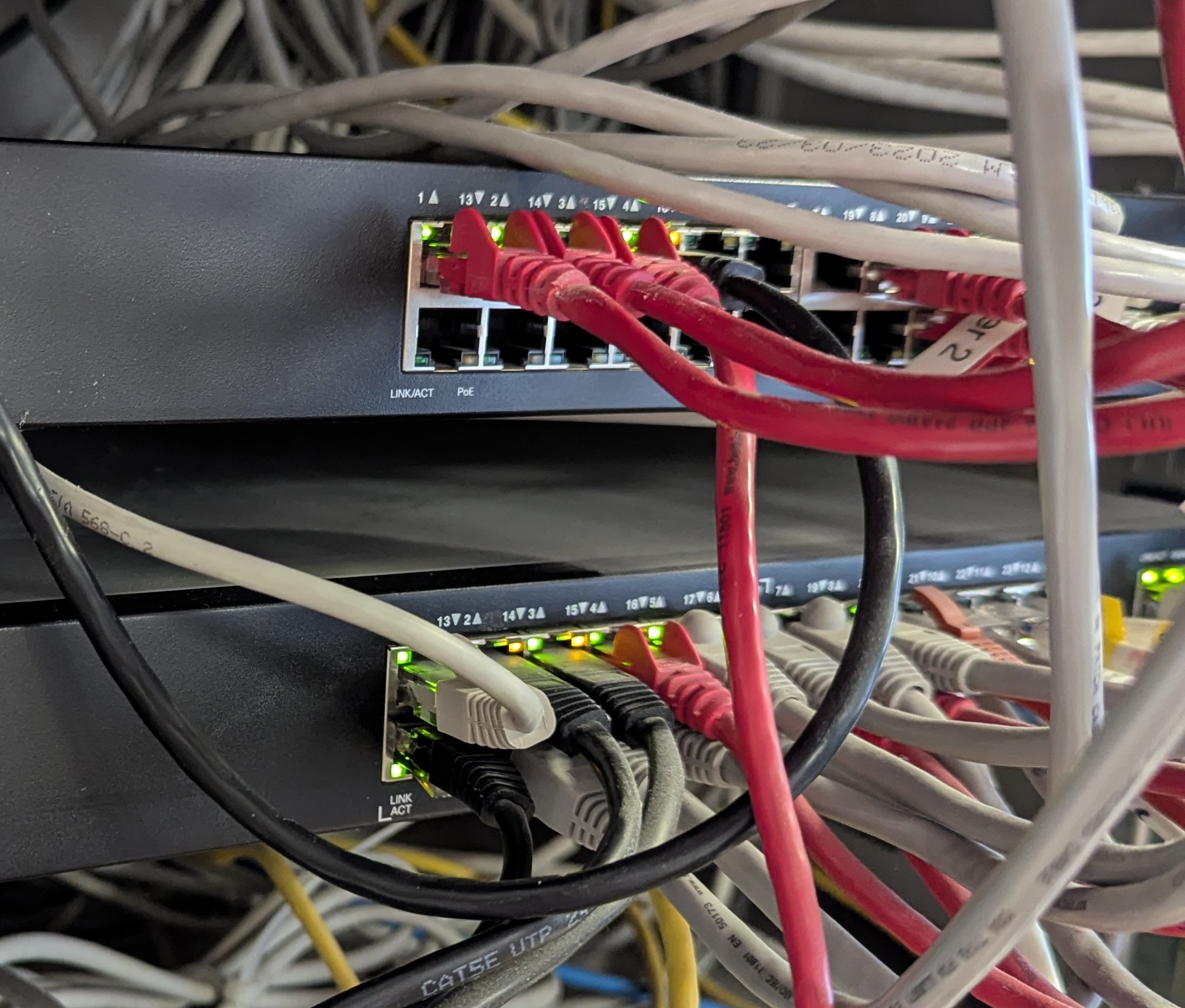 Data centre failure investigation is a specialist discipline, because a computer data centre concentrates dense power electronics, complex cooling water systems and strict environmental controls in one compact space, and a fault in any of them can take the whole site offline. Uptime is critical for computer data centres, but they can have a variety of operational problems during their life including power disruptions, cooling system failures causing overheating, electrical breaker tripping as well as network connection failures. LPD Lab Services is an independent, UKAS-accredited analytical laboratory based in Blackburn, East Lancashire, and our team of scientists carries out root cause data centre failure investigation for data centre operators, equipment manufacturers and utilities across the UK, establishing why each failure happened and how to avoid it in future.
Power Disruption and UPS Failure Analysis in Data Centres
Power disruptions can be from mains failures or from the UPS battery backup system itself, and a single tripped breaker can take a data centre offline. Where this happens, the Laboratory can conduct physical failure analysis of the power electronics components involved, using combinations of reverse engineering procedures, careful dismantling, optical microscopy, SEM/EDX and other materials analytical techniques. The objective is practical: to work out the reasons for the failures and how to avoid them in the future, so that components are repaired or replaced with confidence rather than on guesswork.
Cooling System Failure and Overheating Investigations in Data Centres
The intense heat in a data centre requires complex cooling systems, and these can thermally shut down because of membrane fouling, mineral scaling or corrosion build-up, water treatment breakdown, heat exchanger cooling loop faults and biological matter build-up. Deposit sampling, or careful dismantling of components followed by chemical and materials analysis including corrosion investigations, can reveal the root cause, utilising combinations of optical microscopy, SEM/EDX and ion chromatography to establish which part of the cooling loop failed and why.
Contamination and Corrosion Investigations in Data Centres
Electrical shorts from dust and debris, as well as poor environmental control, reduce the efficiency of data centre operation and in bad cases can cause trips. Relative humidity or dew point control is vital to minimise static electricity build-up, and sources of particles and corrosive species should be identified and eliminated. If reverse osmosis systems supplying moisture fail, these can cause power unit trips. Dust and debris particles can be identified and analysed by SEM/EDX and FTIR, and such deposits can be analysed directly on electrical boards and cables as well as from collected samples taken from infrastructure surfaces – so the investigation can proceed from the equipment as found, or from samples the client has collected.
Zinc Whiskers and Electrical Shorts in Data Centres
Zinc whiskers are also a major problem in data centres, causing electrical shorts. LPD Lab Services can diagnose this problem by SEM/EDX, confirming whether whisker growth is responsible for the fault and giving clients the evidence they need to stop it recurring.
PCB Failure Investigation: Flux Residues, Corrosion and Excess Ions
Printed Circuit Boards can themselves have quality issues which make them vulnerable to premature failure, including issues with excess soldering flux use or residues as well as poor PCB passivation leaving the board vulnerable to corrosion and shorts. Localised analysis by SEM/EDX or FTIR Microscopy can diagnose these faults, and ion chromatography (IC) can be used to look for excessive ions left on the surface from manufacture which promote premature electronic device failures. For boards removed from data centre equipment, this combination of localised surface analysis and ionic testing shows whether the fault traces back to a manufacturing defect or to the operating environment.
Frequently Asked Questions About Data Centre Failure Investigation
What causes a data centre to fail?
Data centre failures most commonly arise from power disruptions, whether from the mains supply or from UPS battery backup system failures; from cooling system failures causing overheating, through membrane fouling, mineral scaling, corrosion build-up, water treatment breakdown or biological matter build-up; from electrical breaker tripping caused by dust and debris contamination or by zinc whisker growth; and from network connection failures. LPD Lab Services investigates each of these failure modes and establishes the root cause.
How is a data centre power disruption investigated?
Power disruptions are investigated by physical failure analysis of the power electronics components involved. The laboratory uses combinations of reverse engineering procedures, careful dismantling, optical microscopy, SEM/EDX and other materials analytical techniques to work out the reasons for the failure and how to avoid it in the future.
What are zinc whiskers and why are they a problem in data centres?
Zinc whiskers are a major problem in data centres because they cause electrical shorts. LPD Lab Services can diagnose the problem by SEM/EDX, confirming whether whisker growth is responsible for the fault.
Which techniques are used for data centre failure analysis?
Depending on the failure, the investigation combines optical microscopy, SEM/EDX, FTIR, FTIR microscopy and ion chromatography, together with chemical and materials analysis including corrosion investigations. Contamination deposits can be analysed directly on electrical boards and cables, or from collected samples taken from infrastructure surfaces.
Request a Quote for Data Centre Failure Investigation
If a power disruption, cooling failure, electrical trip or unexplained fault has taken a data centre offline, our scientists in Blackburn, East Lancashire can help you establish the root cause. Send us the affected components, deposits or samples, or ask for advice on the right combination of techniques – find out more about our chemical and materials analysis capabilities and request a quote today. LPD Lab Services is an independent, UKAS-accredited analytical laboratory in Blackburn, East Lancashire, providing data centre failure investigation to clients across the UK.